Sialkot is a city of roughly 800,000 people in Punjab, north-eastern Pakistan. It is not a household name in most countries, but if you have ever worn sports gloves, used a football, or played field hockey, there is a reasonable chance the product was made there. Sialkot has been a centre of sports goods manufacturing for well over a century, and today it is home to thousands of manufacturers producing for brands across Europe, North America, Australia, and beyond.
This is not an accident. The city's specialisation in sports goods is the result of a specific set of historical, geographic, and industrial factors that have compounded over generations. Understanding them helps explain both why buyers continue to source from Sialkot and what makes a Sialkot manufacturer different from a generalist factory elsewhere.
The historical foundation
Sialkot's manufacturing history predates Pakistan itself. Under British colonial rule, the city developed as a centre of leather goods and sports equipment production, partly because of its proximity to livestock-rearing regions and the skilled leather-working traditions that followed. By the early twentieth century, Sialkot was already producing field hockey sticks, cricket balls, and surgical instruments — sectors that remain significant today.
When Pakistan was established in 1947, the manufacturing infrastructure, skilled workforce, and supplier networks in Sialkot continued to develop. International sports brands began sourcing from the city in larger volumes through the latter half of the twentieth century, and by the 1990s Sialkot had become one of the most important sports goods export centres in the world.
Football manufacturing is the most widely cited example. FIFA's estimate that Sialkot produces a large proportion of the world's hand-stitched footballs has been reported frequently in international media. But gloves, hockey equipment, boxing gear, and motorsport accessories represent a substantial part of Sialkot's output as well.
The industrial cluster effect
One reason Sialkot has sustained its position is the concentration of specialist suppliers within a small geographic area. Within the city and its surrounding districts, you will find:
- Tanneries and leather finishing operations
- Fabric mills and knitting operations for stretch materials
- Thread, zipper, and hardware suppliers
- Embroidery and sublimation printing services
- Packaging manufacturers
- Export freight and logistics providers
This concentration means a gloves manufacturer does not need to source materials from distant suppliers and absorb long transit times. A factory can procure leather, lining fabric, wrist closure hardware, and packaging within a short radius. This reduces lead times, simplifies quality control at the material stage, and keeps logistics costs low.
For buyers, the practical effect is that Sialkot manufacturers can often offer competitive pricing on a wide variety of materials because their suppliers are local and relationships are established over decades.
Workforce skills and knowledge transfer
The other significant factor is workforce. Sialkot has multiple generations of workers with direct experience in glove-making: pattern cutting, stitching, quality inspection, and finishing. This knowledge is passed down within families and communities, and it creates a labour pool that does not exist to the same depth in most other manufacturing regions.
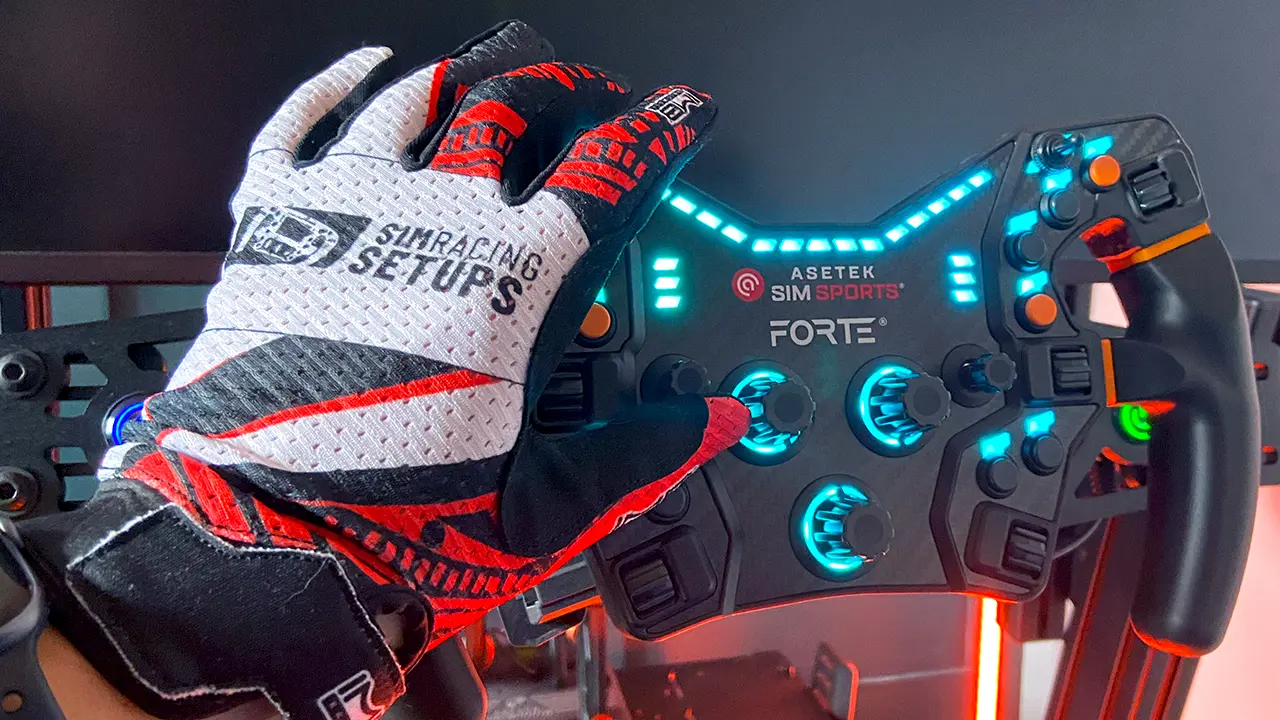
For buyers sourcing custom motorsport gloves or sim racing gloves, this matters in practical terms: a skilled machinist who has spent years working on gloves will produce cleaner stitching, better pattern alignment, and more consistent sizing than a worker newly trained on the task. The accumulated skill base in Sialkot's workforce is one of the reasons the city has retained business from demanding international brands rather than being displaced by lower-cost alternatives as wages have risen.
Export infrastructure
Sialkot has its own international airport, constructed specifically to support the export needs of the manufacturing sector. Direct flights to Dubai, which connects onward to Europe and North America, reduce transit time compared to routing through Lahore or Karachi.
Sialkot also has a high density of customs agents, freight forwarders, and export documentation specialists. For a buyer placing their first order with a Pakistani manufacturer, this infrastructure means the export process is well understood by the factory and their logistics partners, reducing the risk of delays or errors in documentation.
Quality considerations and due diligence
It would be misleading to suggest that every manufacturer in Sialkot produces to the same standard. The city has thousands of manufacturers, ranging from small workshops to large factories with international certifications and established relationships with global brands. Quality varies widely.
For buyers, the important due diligence steps are:
Request samples before committing to production. A reputable manufacturer will offer pre-production samples as a matter of course. If a supplier is unwilling to provide samples, treat this as a significant concern.
Visit the factory if volumes justify it. For large initial orders or ongoing supply relationships, a factory visit is worthwhile. Seeing the production floor, quality control processes, and material storage gives a far more accurate picture than photographs or certificates alone.
Ask for references. A manufacturer with a history of supplying international brands should be willing to provide references. Ask about lead times, quality consistency, and how issues were resolved.
Clarify compliance requirements upfront. If your products need to meet CE standards, CIK-FIA homologation, or other third-party compliance requirements, confirm this clearly before production begins. Not every factory is set up for compliance testing, and the requirements should be part of the product brief from day one.
Why GFR Enterprises has operated in Sialkot since 2009
GFR Enterprises was established in Sialkot in 2009 and has supplied custom gloves and motorsport gear to international brands ever since. Our location in the heart of Sialkot's manufacturing district gives us direct access to the supplier network described above. Our workforce has experience across a wide range of glove types, from karting gloves to sim racing gloves to motocross and motorcycle gloves.
If you are evaluating Sialkot as a sourcing destination for custom sports gloves or motorsport gear, we are happy to answer questions about the process, timelines, and what to expect. Send us a quote request and we will respond within 24 hours with a clear, detailed reply.